Jamaican Food Secrets From Traditional Island Kitchens
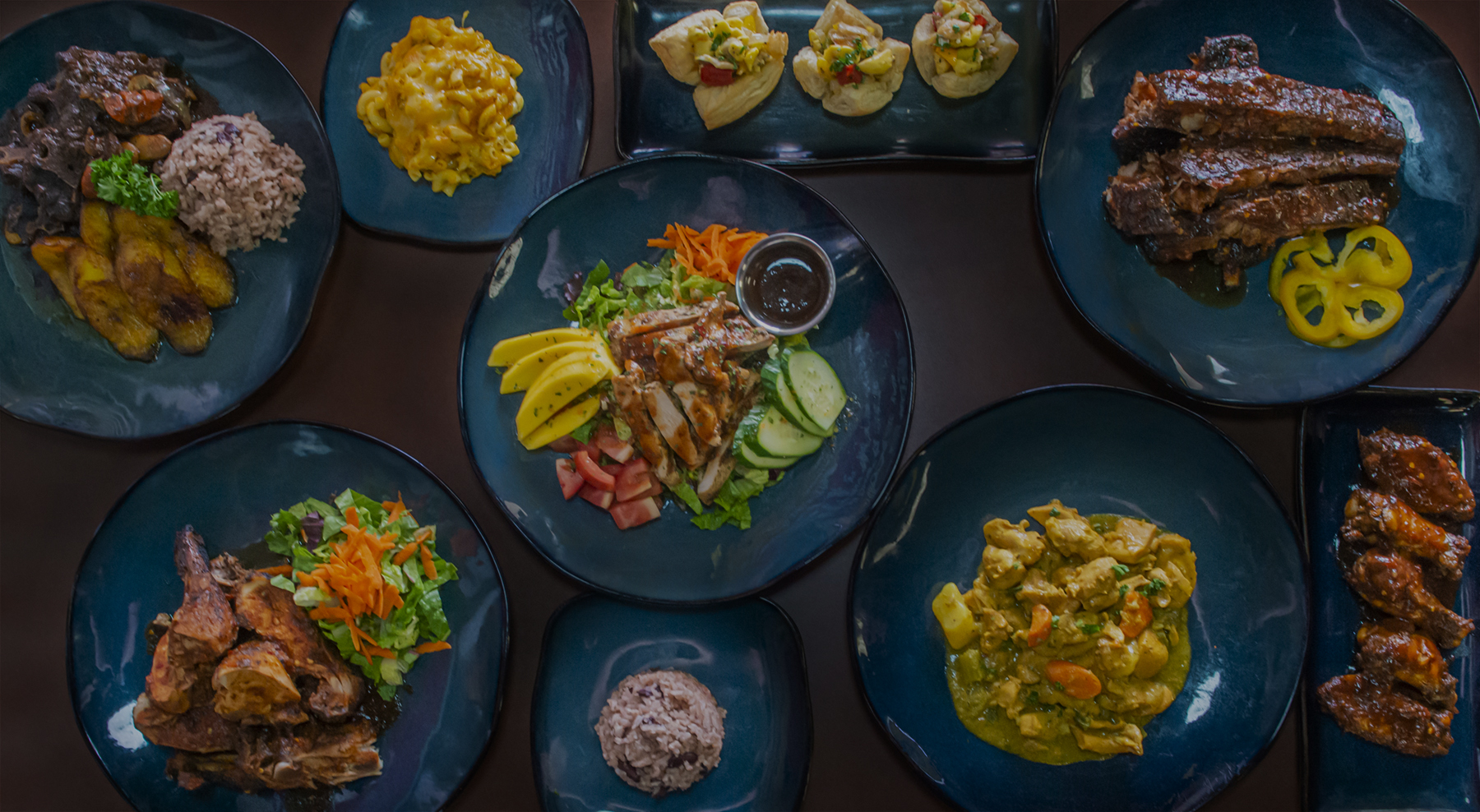
The best Jamaican food rarely announces itself with fuss. You smell it before you see it, usually from a yard kitchen, a roadside pan, or a family stove where one pot is already working before sunrise. Pimento smoke hangs in the air. Thyme and scallion hit hot oil. A Dutch pot rattles softly as steam pushes at the lid. Somewhere nearby, someone is tasting with the side of a spoon, then reaching for a little more saltfish, a little more Scotch bonnet, or a splash of coconut milk to pull the whole thing into balance.
People often talk about Jamaican cooking through its most famous dishes, jerk chicken, ackee and saltfish, curry goat, rice and peas. That is fair, but it misses the deeper craft. Traditional island kitchens are built on judgment more than strict formulas. They rely on memory, timing, and the kind of repetition that teaches a cook what a pot should sound like at each stage. A written recipe can tell you quantities. It cannot fully teach when onions are softened enough for brown stew, or how dark sugar should go before a soup starts to turn bitter instead of rich.
That is where the real secrets of Jamaican food live, not in mystery, but in the habits that generations of cooks have repeated until they became instinct.
Flavor starts before the flame
One of the biggest misunderstandings about Jamaican food is that heat defines it. Scotch bonnet gets plenty of attention, and rightly so, but heat is only one spoke in a much larger wheel. The real architecture of flavor begins long before a pot reaches the stove.
Walk into a traditional kitchen and you notice that ingredients are often handled in stages. Scallion is crushed or cut fine so it releases more aroma. Thyme goes in early if the cook wants it to melt into the dish, or later if they want the leaves to stay bright and noticeable. Garlic may be pounded into a seasoning paste rather than merely sliced. Ginger, allspice, onion, black pepper, and fresh herbs are not random additions. They are layered with intention.
This habit of building in stages explains why Jamaican food can taste deep and rounded even when the ingredient list is not especially long. A cook may season meat early in the day, or even the night before, with green seasoning, salt, pepper, and a touch of browning. They are not just adding flavor to the surface. They are giving the meat time to absorb salt and aromatics so the finished dish tastes seasoned all the way through.
It also explains why shortcuts often disappoint. If you toss everything into a pot at once, the flavors flatten. In many Jamaican kitchens, each element earns its place. Onion and scallion need a little softening. Curry powder needs a minute in hot oil to wake up and lose its raw edge. Coconut milk should simmer, not be bullied, or it can split and lose its sweetness. None of these steps is difficult, but each one changes the final plate.
Seasoning is a language, not a formula
Ask three experienced Jamaican cooks how to season chicken for stew or fry, and you may get three slightly different answers. That does not mean anyone is guessing. It means seasoning is treated as a living practice.
Green seasoning is one of the clearest examples. In some homes it leans herbal, heavy with thyme, scallion, onion, and parsley. In others it includes more garlic and ginger. Some cooks add a little celery. Some avoid it because they feel it pushes the flavor in a direction they do not want. A touch of vinegar may appear in one household, while another will never use it on certain meats. The point is not rigid standardization. The point is understanding the role of each ingredient.
Scallion gives freshness and backbone. Thyme brings earthiness and a warm, almost resinous note. Scotch bonnet contributes fruitiness as much as heat. Onion lends sweetness, especially when cooked down. Pimento, whether whole berries or ground allspice, delivers the unmistakable woody, peppery profile that threads through so much Jamaican food.
That combination creates the island’s signature depth, but the proportions matter. Too much thyme can make a dish taste medicinal. Too much pimento can dominate the palate. Too much Scotch bonnet can flatten the other flavors if it is not controlled. Good cooks know when to let one note lead and when to pull it back.
In traditional kitchens, this control often comes from tasting at multiple points. Not every dish can be tasted early, especially when working with raw meat, but gravies, stews, soups, and side dishes are adjusted repeatedly. The food evolves as it cooks. Salt changes as liquid reduces. Pepper blooms as it sits. A dish that tastes underpowered at the half-hour mark can become perfect at the one-hour mark. That patience is one of the least glamorous and most important secrets in Jamaican cooking.
Browning is not just color
Many cooks outside the Caribbean learn about browning sauce and assume it is mainly cosmetic. They use it to darken stew and move on. In island kitchens, browning does far more than tint the pot.
Proper browning contributes bitterness in tiny, useful amounts. It brings depth and an almost toasted sweetness when handled well. It also shapes the aroma of dishes such as brown stew chicken and some versions of oxtail. But it has to be controlled. Burned sugar does not taste sophisticated. It tastes harsh.
Some cooks use bottled browning for convenience and consistency. Others still make a quick homemade version by taking sugar to a deep caramel stage and loosening it with water. Either route works, but both demand care. A dish that gets too much browning can turn muddy, both in flavor and appearance. You want richness, not darkness for its own sake.
The same principle applies to frying meat before stewing it. That first sear is not theater. It develops fond and texture, and it helps the seasoning cling. When the pot is later deglazed with water, stock, or the meat’s own juices, all that concentrated flavor returns to the sauce. Jamaican gravies that taste full and savory usually begin with this kind of patient browning, not with a shortcut slurry added at the end.
Smoke, pimento, and the truth about jerk
Few foods have been commercialized as heavily as jerk. Plenty of marinades and bottled sauces promise “authentic jerk flavor,” but traditional jerk from island cookshops and old-style roadside pits depends on a very specific relationship between seasoning, smoke, and time.
Pimento wood matters. So do pimento leaves, when they are available. They create a sweet, aromatic smoke that is difficult to imitate with generic hardwood. The meat, whether pork or chicken, is seasoned aggressively, often with scallion, thyme, Scotch bonnet, pimento, ginger, garlic, and salt, then cooked slowly enough to take on smoke without drying out. The result should not taste like barbecue sauce or like pure chile heat. It should taste spicy, fragrant, slightly sweet, faintly bitter from char, and unmistakably smoky.
In many traditional settings, jerk is cooked over improvised steel drums or long pits, with meat turned and moved according to heat zones. This is practical cooking. The hottest area gives color and crust. The cooler side finishes thicker pieces without scorching them. Good jerk cooks work the fire the way good bakers work an oven, watching, adjusting, and respecting the fact that every batch behaves a little differently.
One of the biggest secrets here is restraint. A lot of restaurant jerk outside Jamaica is over-marinated, over-sauced, or sweetened to the point that the smoke disappears. Traditional jerk usually feels drier on the outside, with flavor cooked into the meat rather than painted on after the fact. That difference matters.
The pot itself changes the food
Equipment shapes flavor more than many people realize. In Jamaica, the heavy Dutch pot has long been a workhorse because it holds heat, encourages even cooking, and supports the kind of slow reduction many dishes need. Rice cooks differently in a thin aluminum saucepan than in a seasoned heavy pot. So does rundown, soup, or curry.
The shape of the vessel matters too. A wide pot allows more evaporation, which concentrates gravies and stews. A deeper, narrower pot can preserve liquid and slow reduction. Experienced cooks use this to their advantage, even if they never describe it in technical language. They know from practice which pot makes better peas soup and which one is better for steaming fish.
Seasoning a pan, in the older sense of repeated use, also plays a role. Pots that have seen years of frying, stewing, and simmering often behave differently from brand-new cookware. They heat more predictably. Food releases differently. In some kitchens, the “old pot” is guarded because everyone knows the rice tastes better in it, even if nobody is writing that rule down.
Wood fire cooking adds another variable. In rural or older kitchens, outdoor fires and coal stoves were not just nostalgic details. They produced a kind of dry, persistent heat that changed how food reduced and caramelized. You can still taste that difference in some country cooking, especially soups, roasted breadfruit, and slow-cooked meats.
Coconut milk is used with discipline
Coconut milk appears in many beloved dishes, but traditional cooks tend to use it with more discipline than modern recipe writers do. It is not a blanket way to make food rich. It is a strategic ingredient.
In rice and peas, coconut milk should support the peas, thyme, scallion, and allspice, not drown them. In rundown, it is the dish’s body and must be cooked until it thickens, sweetens, and clings to the fish or mackerel. In some porridges and desserts, it adds weight and fragrance, but even then a good cook watches balance carefully. Too much coconut can make savory dishes feel heavy and one-dimensional.
Freshly extracted coconut milk has a different character from canned. It is often lighter on the palate, more fragrant, and capable of splitting into rich and thin stages during cooking. Canned versions vary widely. Some are thick with stabilizers and can mute the cleaner flavor traditional cooks expect. That does not make them useless, but it does mean they behave differently.
This is where real kitchen judgment comes in. If the coconut milk is especially rich, you may need more water or stock. If it is thin, reduction becomes more important. If a dish includes salty ingredients such as saltfish, the sweetness of coconut can smooth the edges, but too much can tip the dish away from savory. The cook is always steering.
Ackee demands respect
Ackee and saltfish may be the national dish, but it is also one of the clearest examples of how Jamaican cooking combines technique with caution. Properly prepared ackee is delicate, buttery, and almost custard-like. Mishandled, it falls apart or turns greasy. Unripe ackee carries serious health risks, which is why traditional knowledge around harvesting and preparation matters.
In island kitchens, ackee is treated gently. It is often parboiled briefly, drained, then folded into the sautéed saltfish and seasonings near the end. A heavy hand with the spoon can mash it into paste. Too much stirring ruins the visual appeal and the texture. Too much saltfish can bully it. Too much tomato can make the dish watery. Too much Scotch bonnet can erase the ackee’s subtlety.
The secret is proportion and timing. Ackee is not there to carry brute force seasoning. It is there to create contrast against the saltfish, onions, peppers, and herbs. When it is done well, the dish tastes almost effortless, even though it depends on restraint at every step.
Ground provisions are not side notes
A lot of writing about Jamaican food focuses on meats and celebratory dishes, but traditional kitchens have always understood the importance of ground provisions and starches. Yam, coco, cassava, green banana, breadfruit, dumpling, and sweet potato are not filler. They are structural. They make meals satisfying, absorb sauces, and carry flavor in their own quiet way.
Boiled green banana with mackerel rundown offers a good example. The banana’s faintly tannic, starchy flavor gives the rich, reduced coconut sauce something to cling to. Roast breadfruit served with ackee, callaloo, or fried fish brings smoke, softness, and a mild sweetness that changes with every bite. Festival, when made well, is not merely sweet fried dough. It is a deliberate counterpoint to spicy fish or jerk, crisp outside and tender inside.
These starches also reveal a practical truth about traditional Jamaican kitchens. Meals are built to feed households, not just impress guests. They need staying power. They need flexibility. A pot of soup with yam, dumplings, pumpkin, and a piece of salted meat can stretch further and satisfy more deeply than a plate built around protein alone.
Soup is where many cooks reveal themselves
If you want to know whether someone can really cook, ask them to make soup. Jamaican soups look rustic, but they expose technique quickly. Water ratio, salting, starch management, dumpling texture, and timing all become obvious in one pot.
Red peas soup is a classic test. The peas need time to soften and release flavor into the broth. Salted meat or pig’s tail, if used, must contribute savoriness without making the soup aggressively salty. Dumplings should hold their shape but stay tender. Pumpkin can enrich the broth if it cooks down naturally, while yam and potatoes add body. A good Scotch bonnet may go in whole, punctured lightly or left intact, so the heat perfumes the soup without overtaking it.
The secret is gradual extraction. Soup should not taste like ingredients floating in hot water. It should taste like the ingredients have met each other and settled into one another. That takes time, and it usually takes moderate heat rather than a violent boil.
Mannish water, fish tea, chicken foot soup, and Saturday soup traditions all reflect the same principle. Jamaican kitchens know how to coax body from bones, gelatin from connective tissue, sweetness from root vegetables, and freshness from herbs added late. These soups are practical, restorative, and often more technically revealing than flashier dishes.
Saltfish, salted meat, and preservation as flavor
Before refrigeration was widespread, salt preserved protein. That history still shapes Jamaican cooking. Saltfish remains central not because it is quaint, but because it offers a texture and intensity fresh fish cannot replace. Salted beef, pig’s tail, and other cured meats show up in soups and stews for similar reasons.
Traditional cooks understand that these ingredients need preparation, not just use. Saltfish is soaked, boiled, picked over, and flaked. How long it is soaked depends on the brand, the thickness, and the intended dish. Some saltfish is mild enough after one boil. Some needs repeated changes of water. The cook decides by tasting and feel.
This flexibility is important because preservation products vary. A rigid rule such as “boil for ten minutes” is less useful than knowing what you want: enough salt removed that the ingredient supports the dish, but enough retained that it still tastes like itself. The same logic applies to salted meats in soup. Their role is to season the broth and contribute richness, not to make the whole pot one-dimensional.
This is one reason Jamaican food often feels so complete. It does not depend only on fresh ingredients or only on pantry ingredients. It combines both, creating layers of savoriness that come from historical necessity and culinary intelligence.
Why sweetness often appears beside heat
Many outsiders notice the recurring contrast between spicy and sweet in Jamaican food and assume it is casual preference. Usually it is more deliberate than that. A slice of fried ripe plantain beside a savory dish, a piece of festival with escovitch fish, or a sweet note in a glaze all perform a balancing function.
Scotch bonnet has a fruity profile. Pimento carries sweetness as well as spice. Browning adds caramel notes. Coconut milk rounds edges. Even cooked onions and carrots in a stew contribute sweetness that helps the palate register complexity instead of blunt heat.
This balance is one of the most underappreciated secrets in Jamaican cooking. If you remove every sweet element in pursuit of “savory intensity,” many dishes become flatter. If you overdo sweetness, the food loses backbone. Traditional cooks often solve this instinctively by pairing components across the plate rather than forcing every contrast into a single pot.
What visitors often miss at the table
Tourists often chase the most famous plates, which makes sense, but everyday Jamaican food teaches jamaican food more about the cuisine’s soul. Steamed cabbage with carrot and pepper can reveal as much about seasoning as a platter of jerk. Callaloo cooked just until tender, with onion, tomato, and Scotch bonnet, shows how island kitchens preserve freshness while still delivering depth. Cornmeal porridge, made properly, is smooth, fragrant with spice, and more exacting than it looks. Even fried dumpling tells a story about dough handling, oil temperature, and patience.
There is also a social rhythm around the food that matters. Breakfast is often substantial because the day ahead demands energy. Saturday soup traditions turn cooking into a weekly ritual. Street food and cookshop culture preserve dishes that do not always show up in hotel dining rooms. Rural and urban versions of the same recipe may differ in fuel source, ingredient access, and cooking time. None of that makes one version more authentic than another. It simply reflects how living cuisines adapt while keeping their core logic.
For cooks trying to reproduce Jamaican food outside the island, that is a useful lesson. Chasing a frozen idea of authenticity can become its own trap. Better to understand the principles: layer seasoning, respect smoke, control browning, balance heat with aroma, give starches their due, and let time do its work.
A few habits worth borrowing
Some kitchen habits from Jamaica improve almost any savory cooking, even if you are not making island dishes every week.
First, season proteins in advance whenever possible. Even an hour helps, and overnight is often better for larger cuts.
Second, cook dry spices or curry powder briefly in fat before adding liquid. That simple step changes the flavor dramatically.
Third, think about whole herbs and chiles as tools for fragrance, not only as things to chop and disperse. A whole Scotch bonnet in a soup behaves very differently from a minced one.
Fourth, reduce with purpose. Do not thicken a stew too early if patience can give you a better result.
Fifth, taste for balance, not just salt. Ask whether the dish needs brightness, sweetness, warmth, or more time before you reach automatically for another seasoning cube or sauce.
These are not flashy secrets. They are working methods, shaped by generations of cooks who understood that delicious food comes from attention more than excess.
The deeper lesson from traditional island kitchens
What makes Jamaican food memorable is not simply that it is bold. Plenty of cuisines are bold. What sets it Jamaican island food apart is how confidently it layers strength with restraint. Smoke is used, but not to bury the meat. Heat is used, but not always to dominate. Coconut enriches, but usually with purpose. Salted ingredients season the pot, yet fresh herbs keep the food alive. Starches provide ballast without stealing the plate.
Traditional island kitchens also carry a practical wisdom that deserves more respect. They know how to cook economically without tasting austere. They know how to turn preservation methods into flavor. They understand that one pot can do many jobs if you manage it carefully. They trust the senses. Listen to the simmer. Smell when the curry has opened up. Watch how oil rises in the gravy. Feel when a dumpling has the right spring. Those cues are not romantic folklore. They are technical knowledge, passed hand to hand.
That is why the best Jamaican food feels both generous and exact. It comes from cooks who know their ingredients well enough to improvise and their traditions well enough to bend without breaking. If you spend time around those kitchens, you start to notice that the secrets are not hidden at all. They are right there in the pounded scallion, the patient browning, the whole Scotch bonnet floating in soup, the old Dutch pot on a steady flame, and the calm confidence of a cook who knows the food will tell them what it needs if they pay attention.
Reggae Pot Jamaican Grill
7562 S University Blvd C, Centennial, CO 80122
(303) 997-5623
FAQ About jamaican food
What is the best Jamaican food to try in Centennial?
The best choice depends on your preferences. Reggae Pot Jamaican Grill offers jerk chicken, curry goat, oxtail, and escovitch snapper, along with sides such as rice and peas and fried plantains. Ask the restaurant about current availability and spice levels before ordering.
Is Jamaican food very spicy in Centennial?
Heat varies by dish and preparation. Jerk dishes can be hot, while some stews and sides are milder. Tell the restaurant your preferred heat level and ask which options suit you.
What is typically on a Jamaican menu?
Common choices include jerk chicken, curries, oxtail, fish, patties, rice and peas, and plantains. Reggae Pot also lists ackee and saltfish and vegetable dishes. Menus and availability can change, so confirm your choices when ordering.